Biomedical Text Mining
Artificial intelligence and natural language processing methods for extracting, classifying, and analyzing biomedical information from scientific and clinical text.
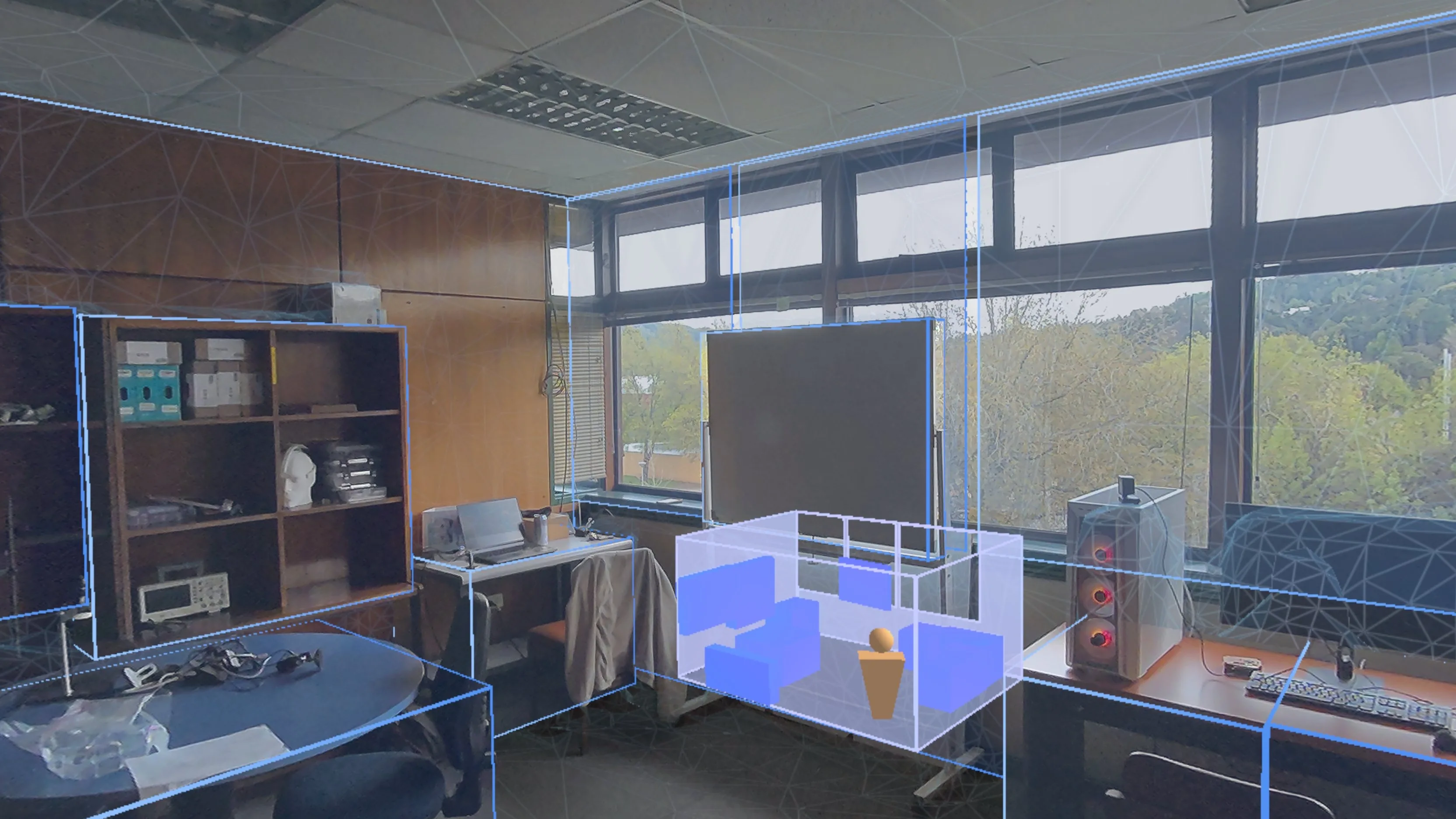
Biomedical & Intelligent Systems Laboratory
BIS-LAB is a multidisciplinary research laboratory at Universidad del Bío-Bío focused on the convergence of Biomedical Engineering and Artificial Intelligence.
Department of Electrical and Electronic Engineering
Universidad del Bío-Bío · Concepción, Chile
About BIS-LAB
The Biomedical & Intelligent Systems Laboratory at Universidad del Bío-Bío brings together researchers working at the intersection of Biomedical Engineering and Artificial Intelligence.
BIS-LAB develops research in biomedical text mining, biomedical imaging, biomedical electronics, and biomedical signal processing, with a strong focus on intelligent systems, assistive technologies, scientific collaboration, and applied research.
4
Research areas
4
Researchers & collaborators
5
R&D projects
11+
Recent publications
Research
Our research combines biomedical engineering, computational methods, artificial intelligence, and intelligent hardware.
Artificial intelligence and natural language processing methods for extracting, classifying, and analyzing biomedical information from scientific and clinical text.
Computational methods and artificial intelligence for biomedical and medical image analysis, interpretation, and decision support.
Development of electronic systems, sensing platforms, and assistive technologies for biomedical engineering applications.
Analysis and processing of physiological and biomedical signals for monitoring, stimulation, rehabilitation, and intelligent health technologies.
Research Infrastructure
BIS-LAB maintains a specialized hardware ecosystem for AI development, biomedical engineering, embedded systems, and experimental prototyping.
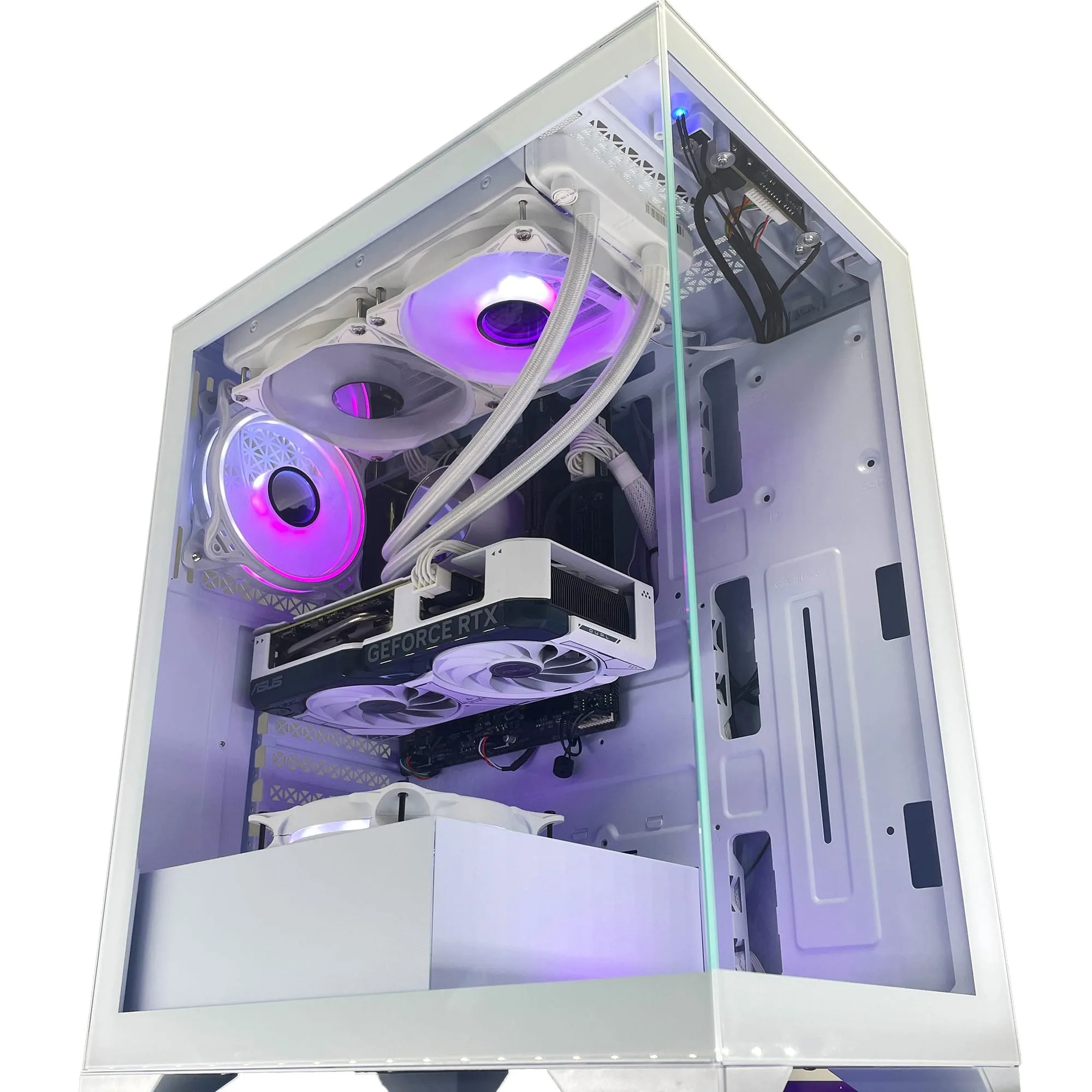
GPU-accelerated computing infrastructure for artificial intelligence, computer vision, and biomedical data processing.
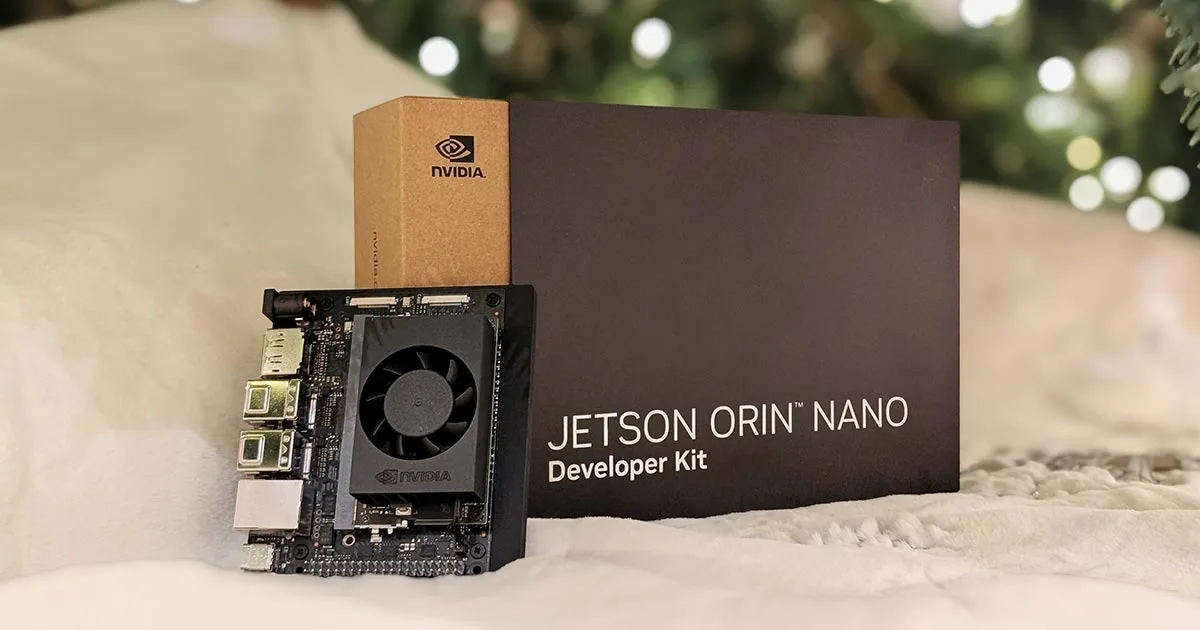
Embedded platforms for intelligent sensing, computer vision, rapid experimentation, and edge AI deployment.
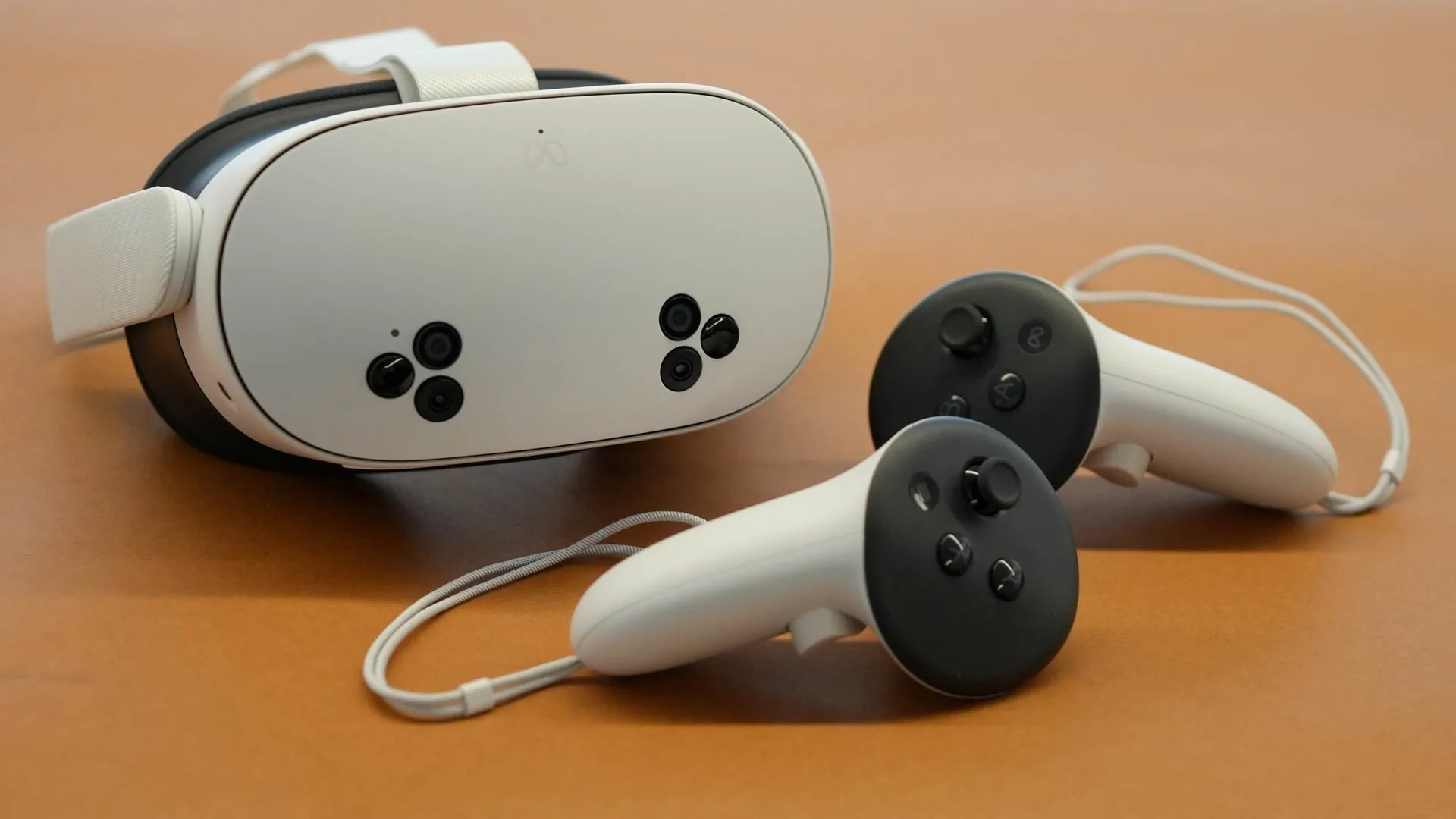
Immersive hardware for experimentation in visualization, interaction, assistive systems, and biomedical applications.
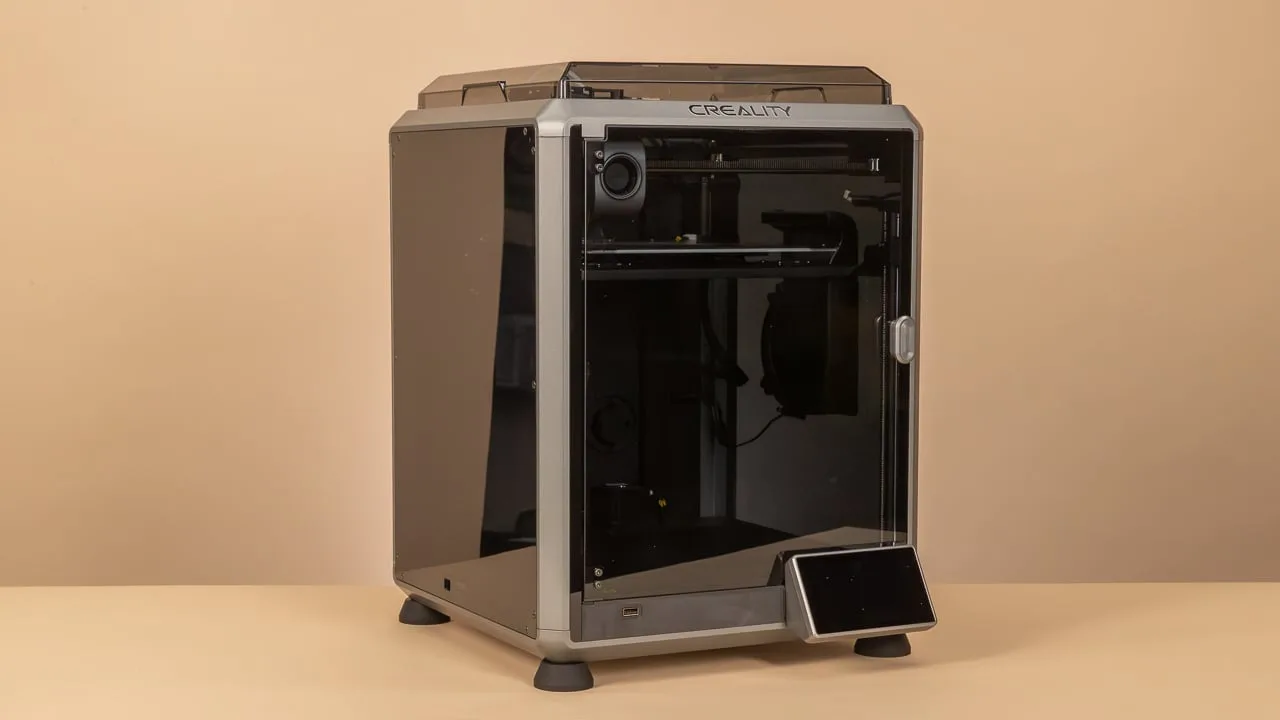
Infrastructure for rapid prototyping, electronic development, instrumentation, and experimental hardware.
People
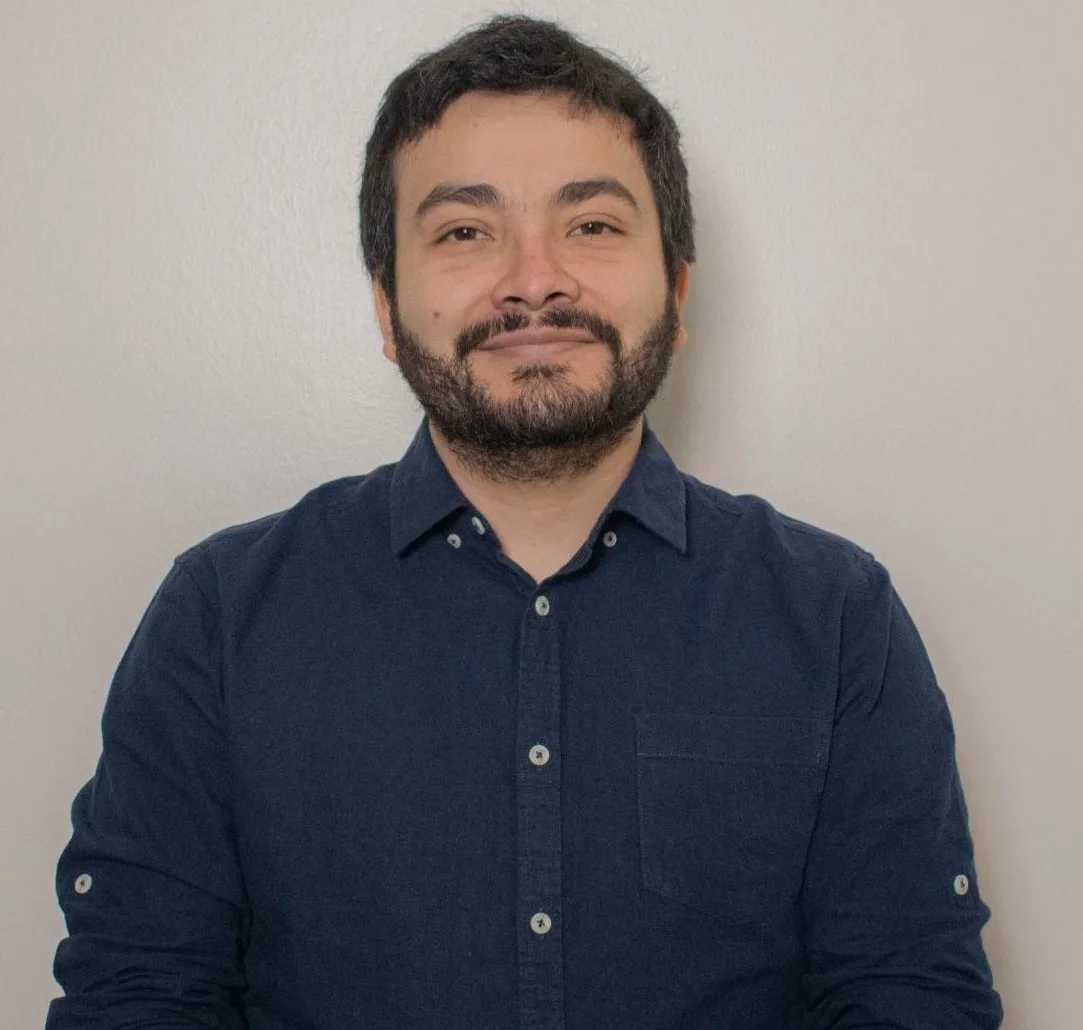
Biomedical Text Mining
Universidad del Bío-Bío
View profile
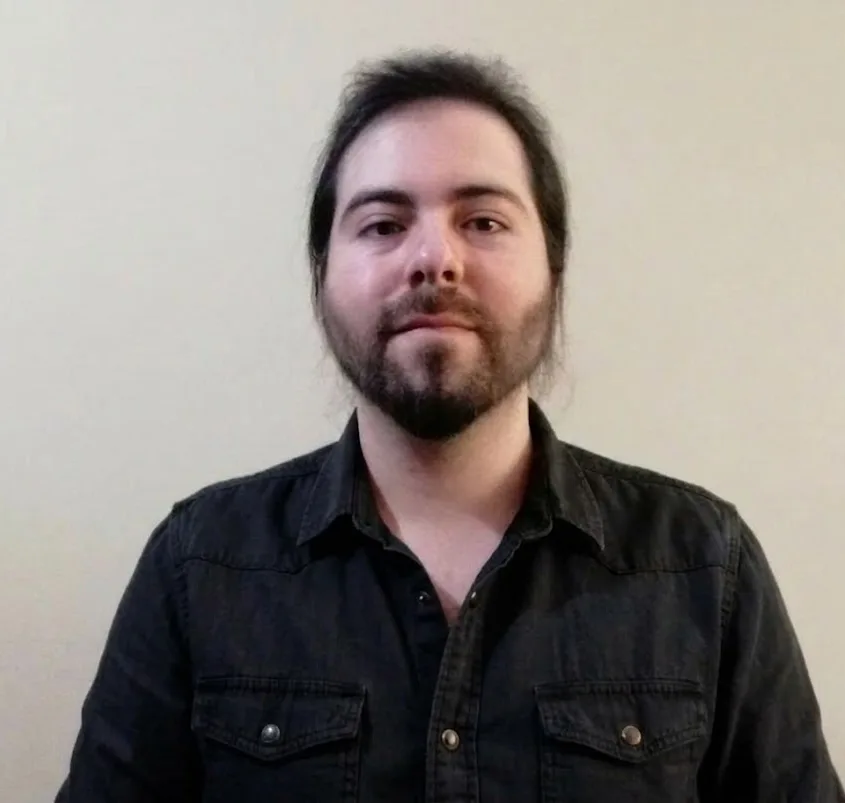
Biomedical Imaging
Universidad del Bío-Bío
View profile
R&D
External Project
Intelligent Sound Localization System for Unilateral Hearing Loss
FONDEF IDeA I+D
Dr. Christopher Flores
Approx. USD 246,000
External Project
FIC Advanced Human Capital in Artificial Intelligence for the Biobío Region
Dr. Christopher Flores
Internal Project
Exploratory R&D Projects Competition
Dr. Christopher Flores
Scientific Output
2026
Journal Article
A. Barbieri, C. Flores, W. Valenzuela, and F. Saavedra
Sensors, vol. 26, no. 12, Art. no. 3743
2025
Conference Paper
E. G. Suazo, E. C. Vega, C. Flores, and F. Saavedra
Advances in Bioengineering and Clinical Engineering 2025, IFMBE Proceedings, vol. 136, pp. 1668–1681
2025
Conference Paper
C. Flores and R. Verschae
38th IEEE International Symposium on Computer-Based Medical Systems (CBMS), Madrid, Spain, pp. 208–213
News
Dr. Christopher Flores has assumed the role of Director of the FONDEF IDeA I+D project “Audio Aid: Intelligent Sound Localization System for Unilateral Hearing Loss”, with total funding of approximately USD 246,000.
BIS-LAB thanks Prof. Francisco Saavedra for his contributions to the laboratory and congratulates him as he begins his role as Assistant Professor at Universidad de Concepción.
BIS-LAB welcomes Prof. Claudio Román. His expertise and experience strengthen the laboratory’s research and collaboration activities.
Contact
Biomedical & Intelligent Systems Laboratory
Department of Electrical and Electronic Engineering
Universidad del Bío-Bío
Concepción, Chile